
Booking & Scheduling Guides
Booking software, scheduling systems, no-show policies, and cancellation strategies for coaches, therapists, and private practice professionals.
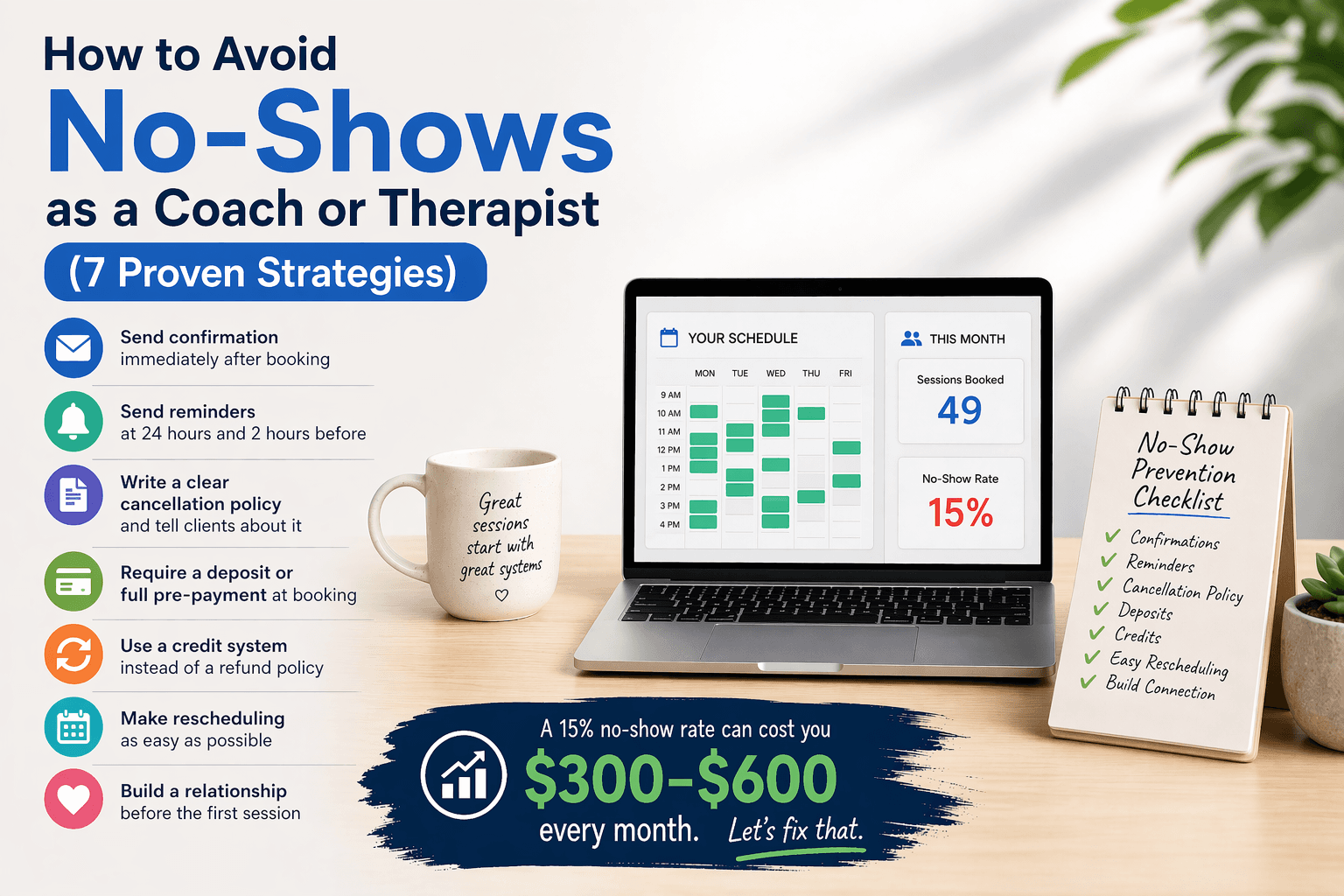
How to Avoid No-Shows as a Coach or Therapist (7 Proven Strategies)
No-shows cost coaches and therapists hundreds of dollars a month. Here are 7 strategies that actually work — from reminder sequences to cancellation policies and deposit systems.
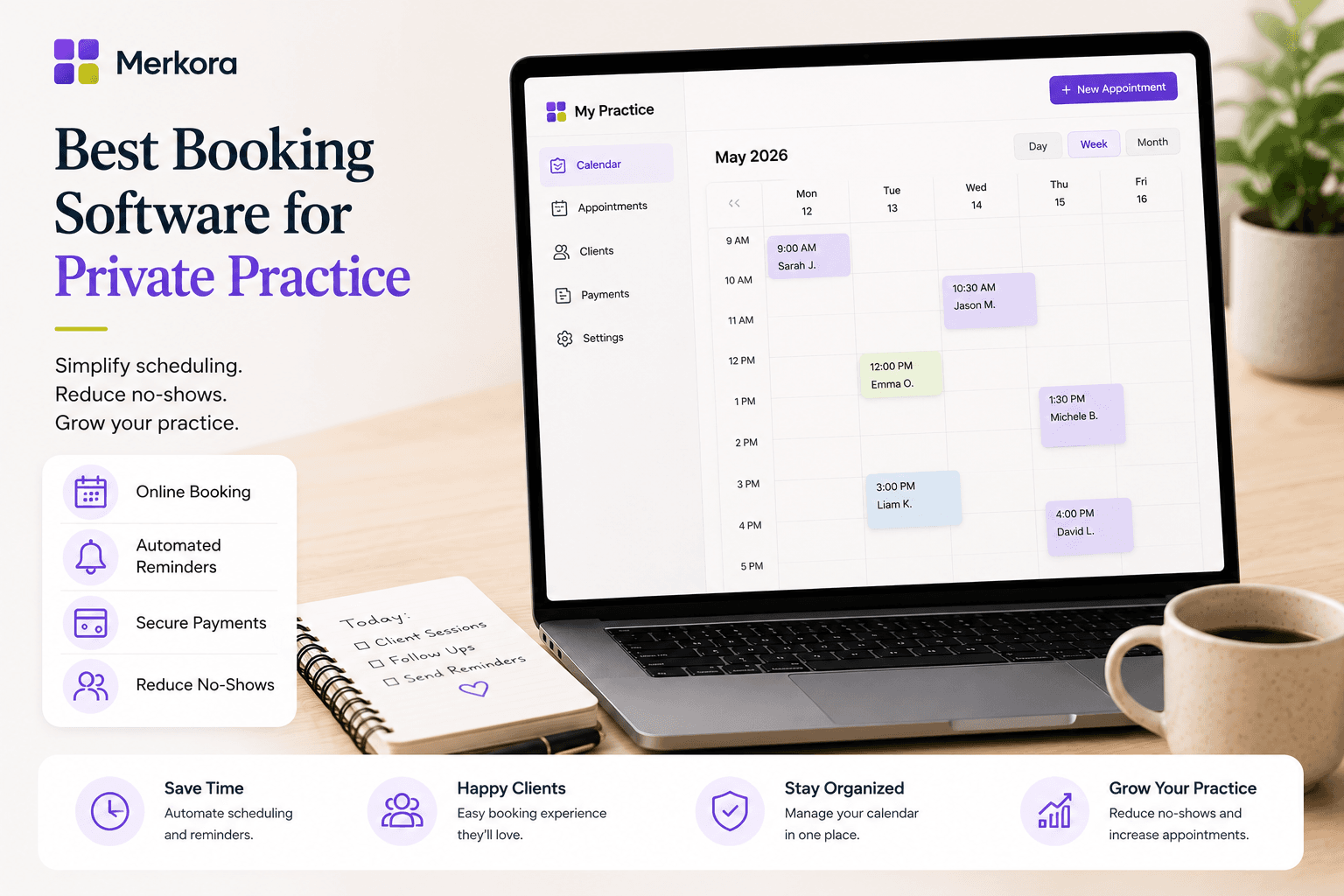
Best Booking Software for Private Practice (2026): Calendly vs Acuity vs Merkora
Comparing the top booking tools for therapists and coaches in private practice. What each platform handles well, where they fall short, and which fits a solo or small practice.
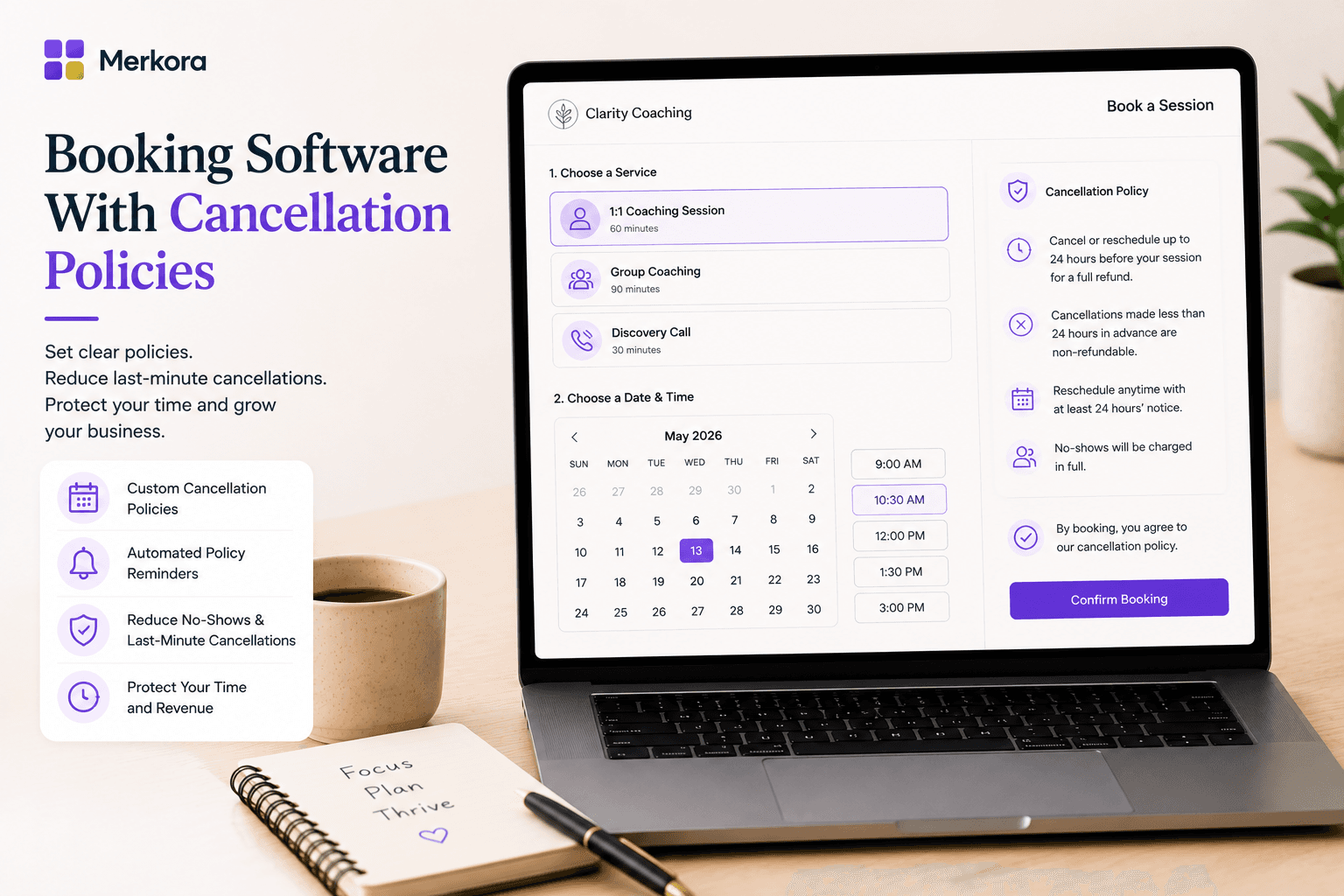
Booking Software With Cancellation Policies: Which Platforms Actually Enforce Them
Most booking tools let you write a cancellation policy. Very few enforce it automatically. Here's which platforms charge late-cancel fees — and which just display a policy page.
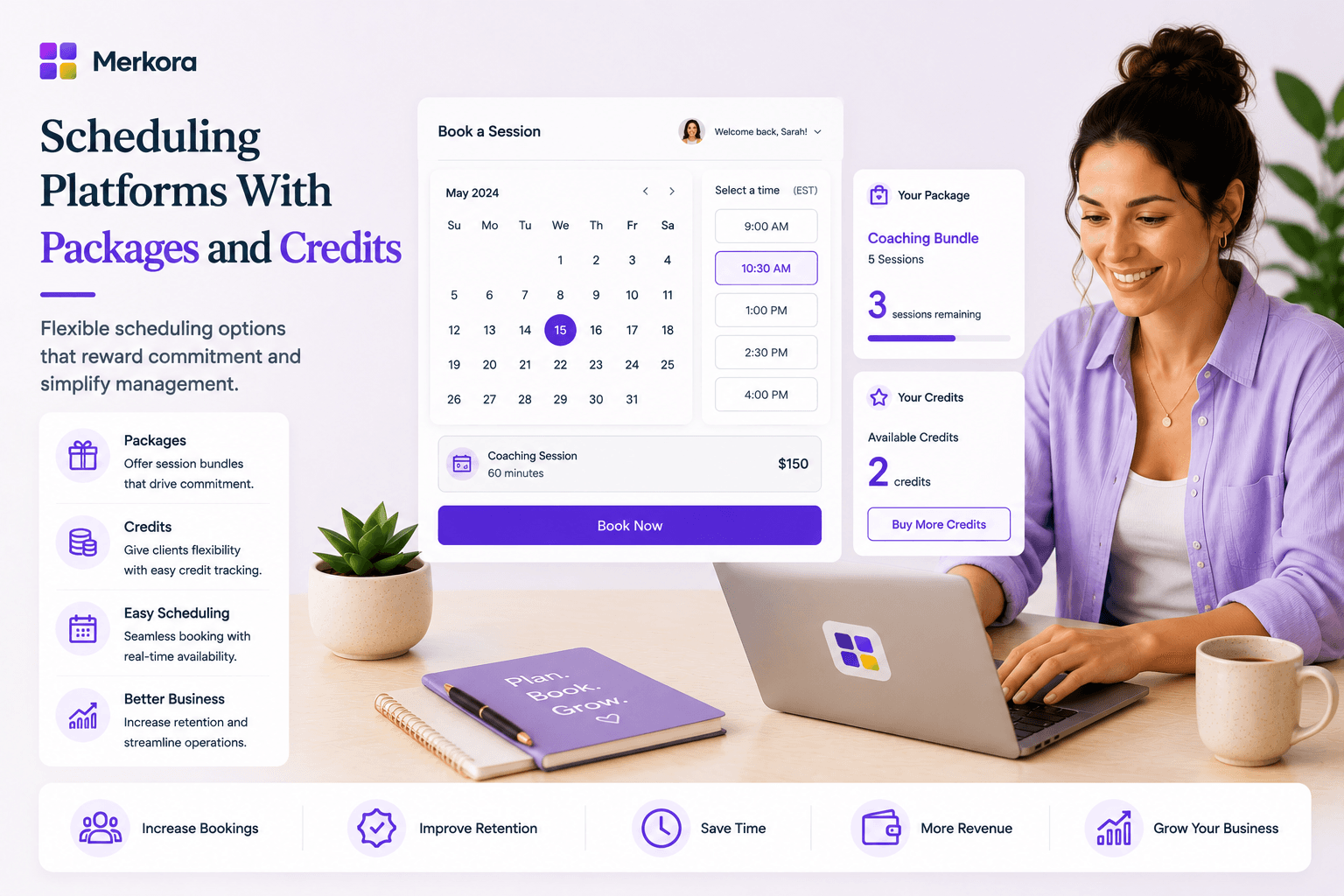
Scheduling Platforms With Session Packages and Credits: Which Tools Do It Properly
Selling a 5-session package shouldn't require a spreadsheet to track. Here are the booking platforms that handle session credits properly — and those that leave you doing it manually.
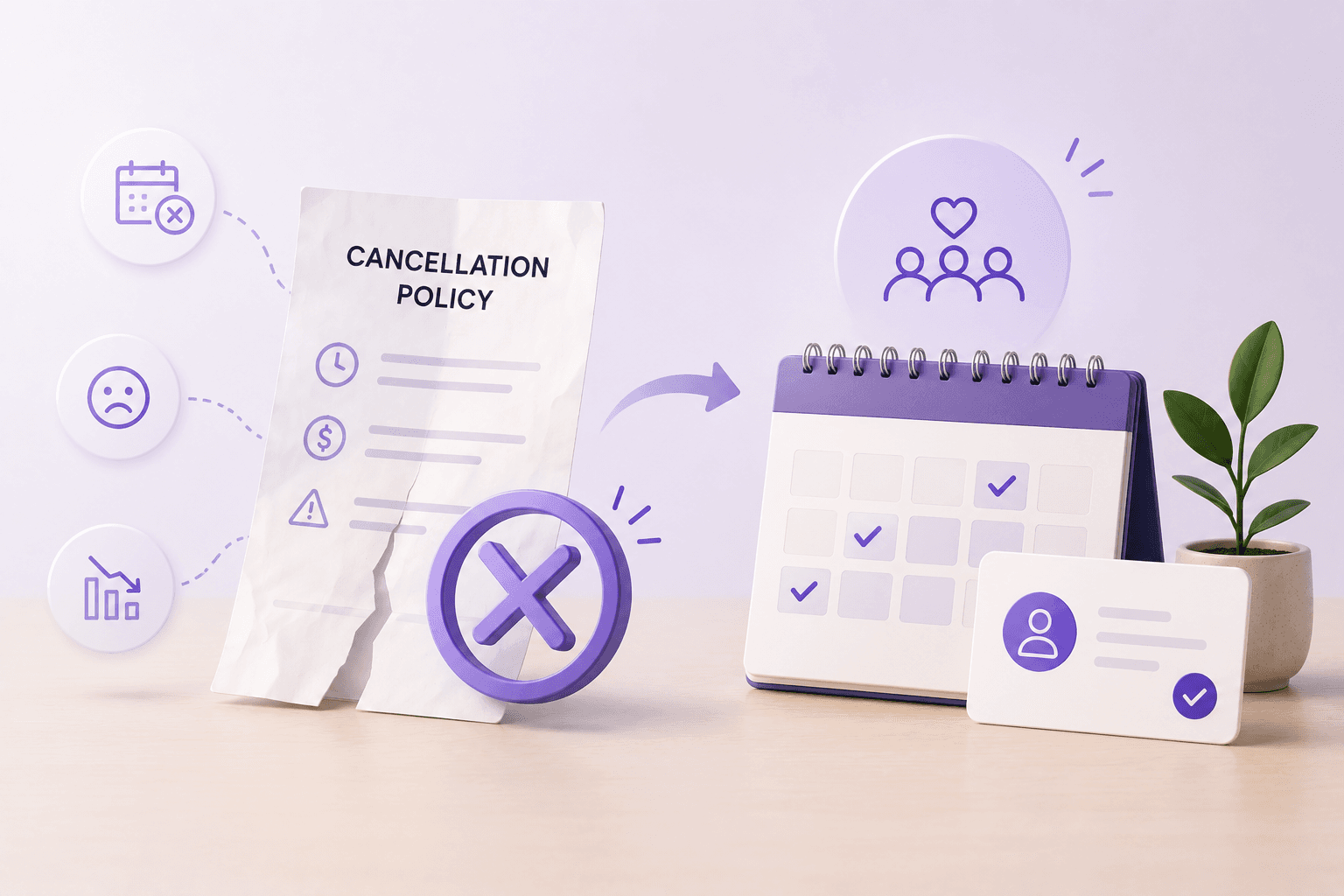
Why Cancellation Policies Fail (And What Actually Makes Clients Show Up)
Most practitioners have a cancellation policy. Most don't enforce it. Here's why written policies alone don't change client behavior — and what does.
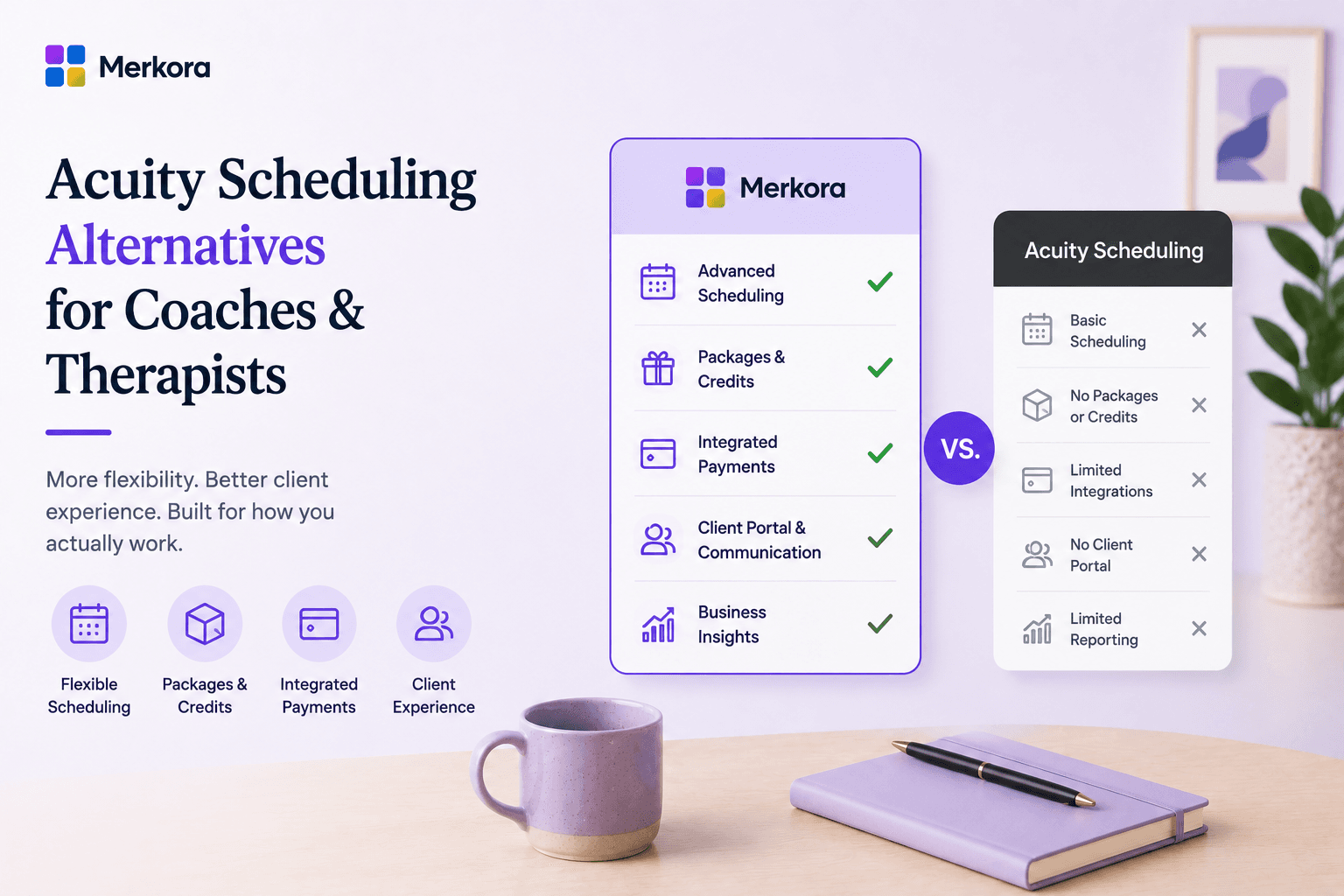
Acuity Scheduling Alternatives for Coaches and Therapists in 2026
Acuity handles booking well but has no automatic cancellation enforcement, no session credit system, and no course hosting. Here are the best alternatives for practitioners.
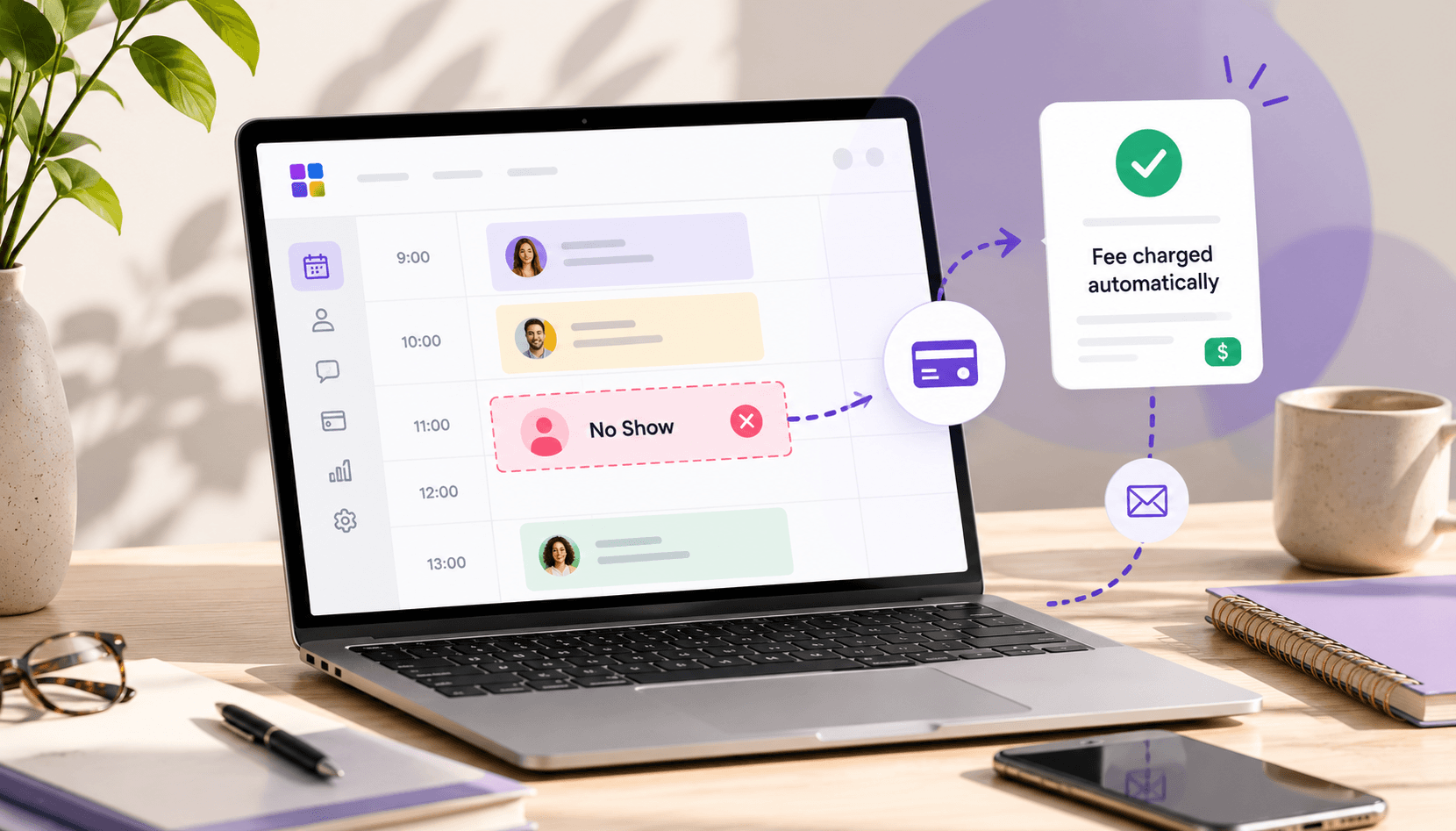
How to Automate No-Show Fees as a Therapist or Coach
Manually charging a no-show fee is awkward and inconsistent. Here's how to set up automatic enforcement so the fee happens without you having to initiate it.
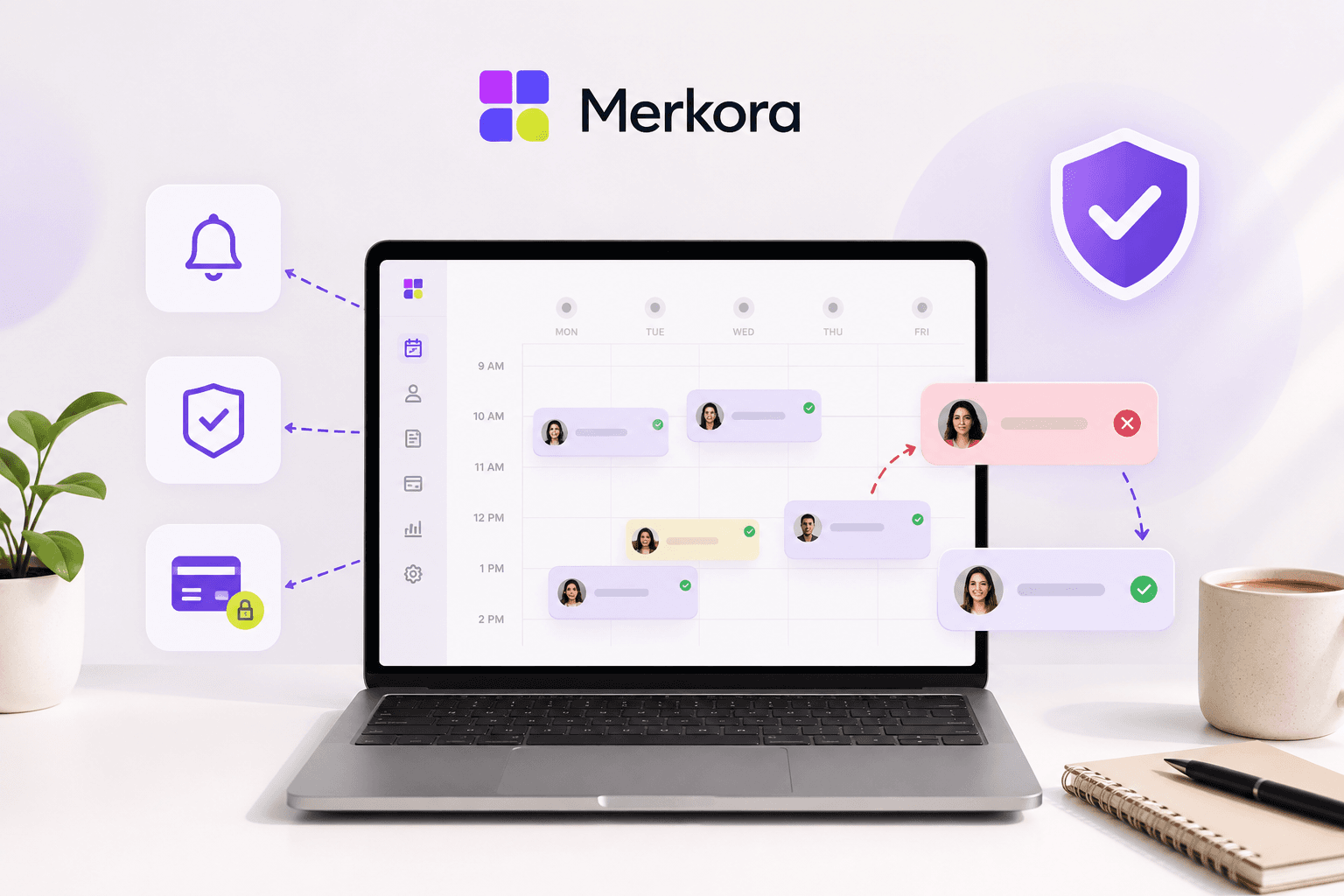
How to Stop Clients Cancelling Last Minute (Systems That Actually Work)
Last-minute cancellations aren't a client character problem — they're a systems problem. Here's what actually reduces them, and what doesn't.
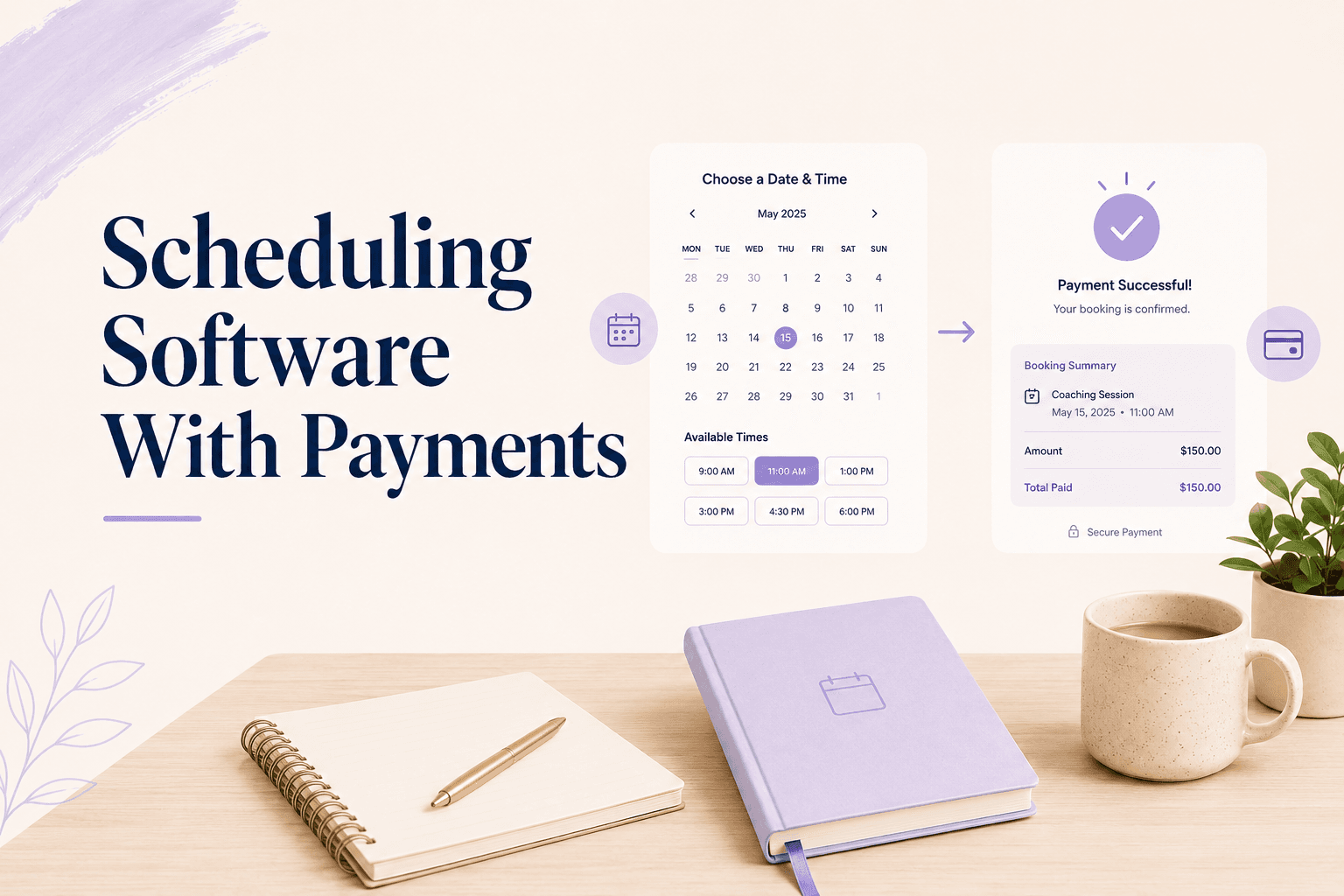
Scheduling Software With Payments: What to Look For
Scheduling software with payments sounds simple until you need deposits, packages, or no-show fees. What separates real payment handling from a checkout link.
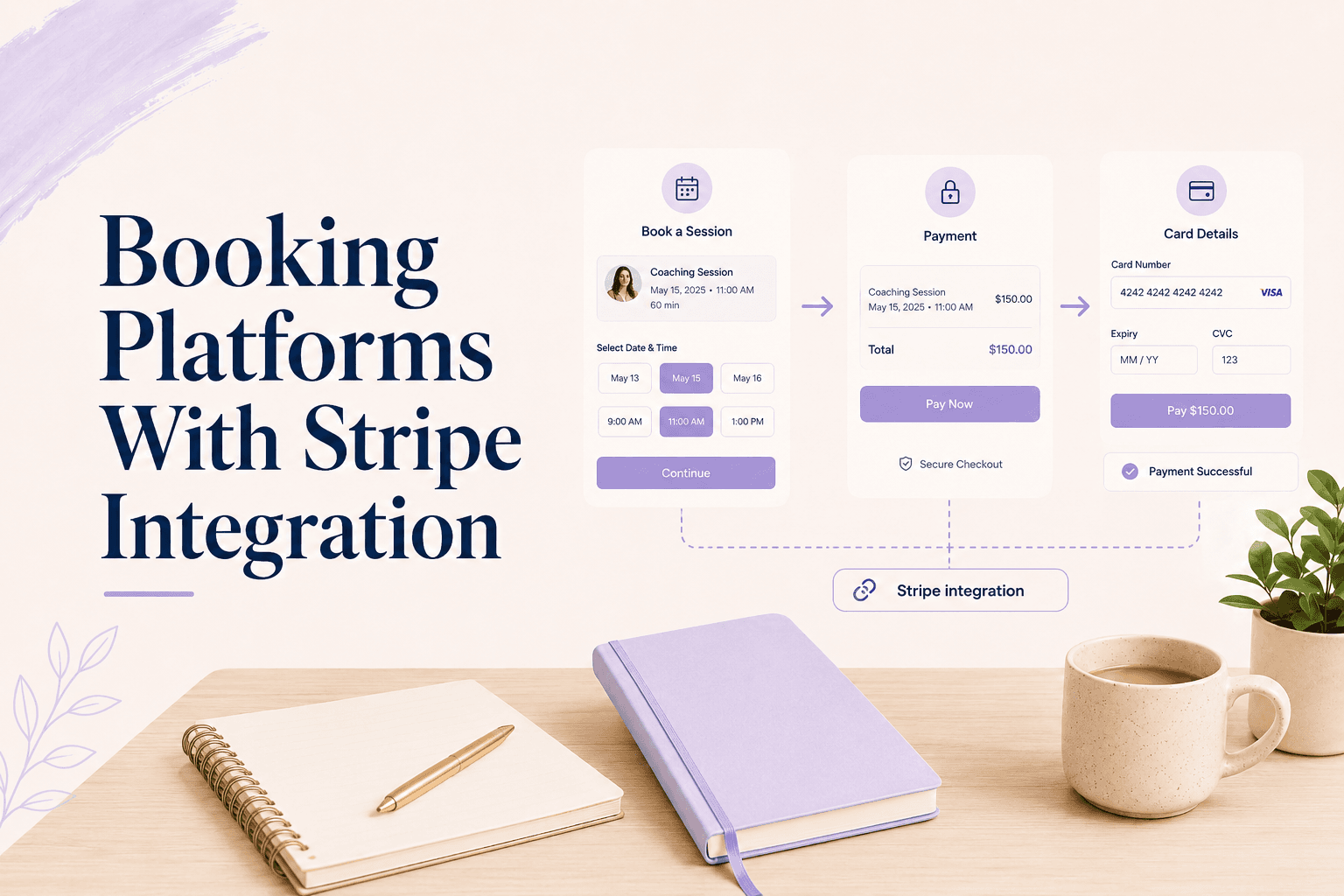
Booking Platforms With Stripe Integration
Booking platforms with Stripe integration look identical on a feature list. Who owns the account, what happens after checkout, and what the fees really cost.
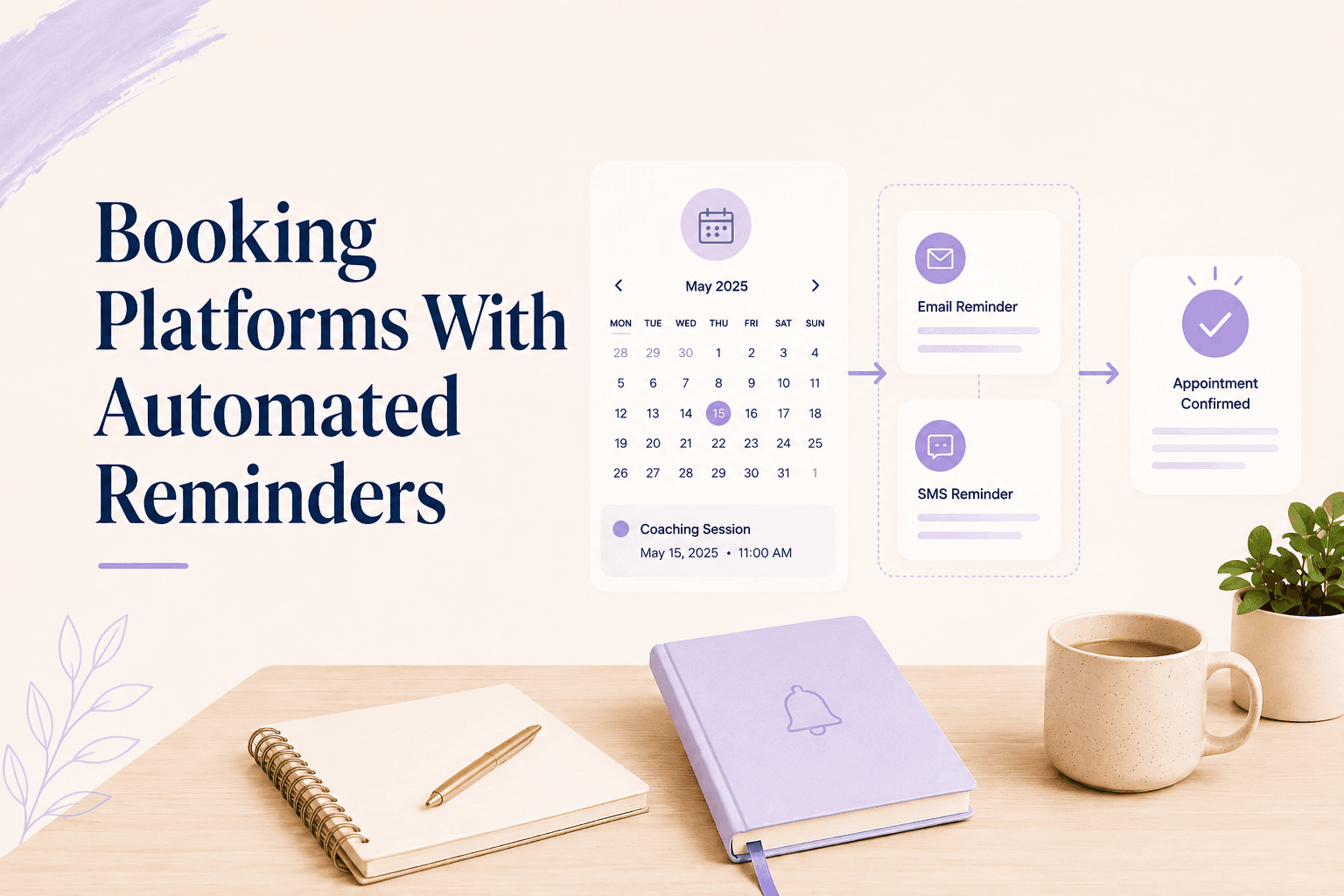
Booking Platforms With Automated Reminders
Booking platforms with automated reminders all send emails. The ones that cut no-shows differ on three things: timing, reschedule links, and what follows.

Why Free Discovery Calls Can Hurt Conversions
Free discovery calls fill your calendar and flatten your conversion rate. Why they attract the wrong bookings, and what to change without scrapping the call.
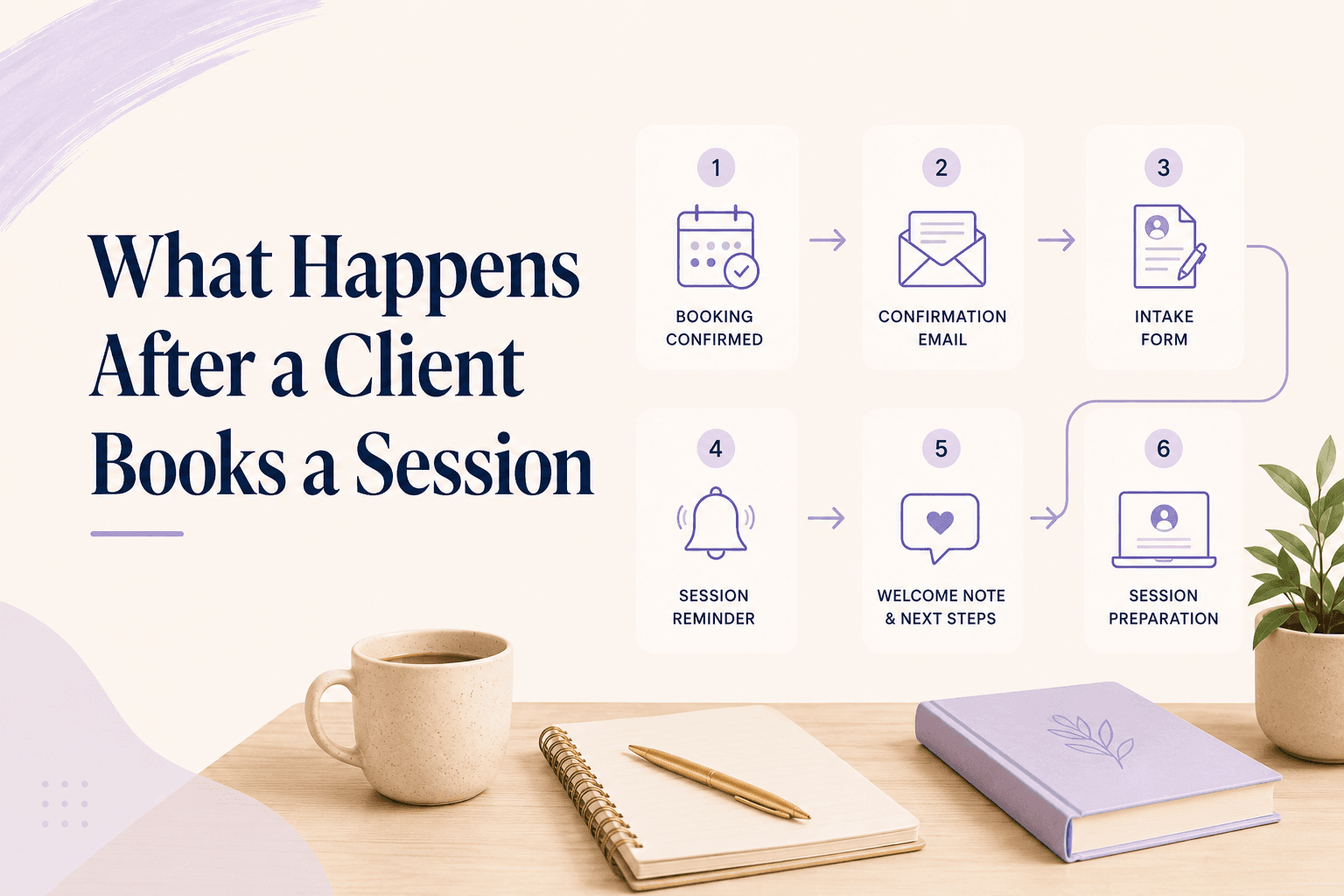
What Happens After a Client Books a Session
After a client books a session, five days of silence decide whether they show up. What happens in that window, and the sequence that turns a booking into an attendance.